Abutments for dental implants connect the buried implant fixture to the visible crown or prosthesis. This guide explains what abutments for dental implants are, the main types, how they’re placed, daily care, common problems and costs, and how to choose the right provider. Read on to learn practical next steps you can take to protect your implant restoration—especially if you’re researching abutments for dental implants in Albuquerque.
What Are Abutments For Dental Implants?
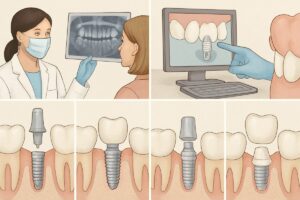
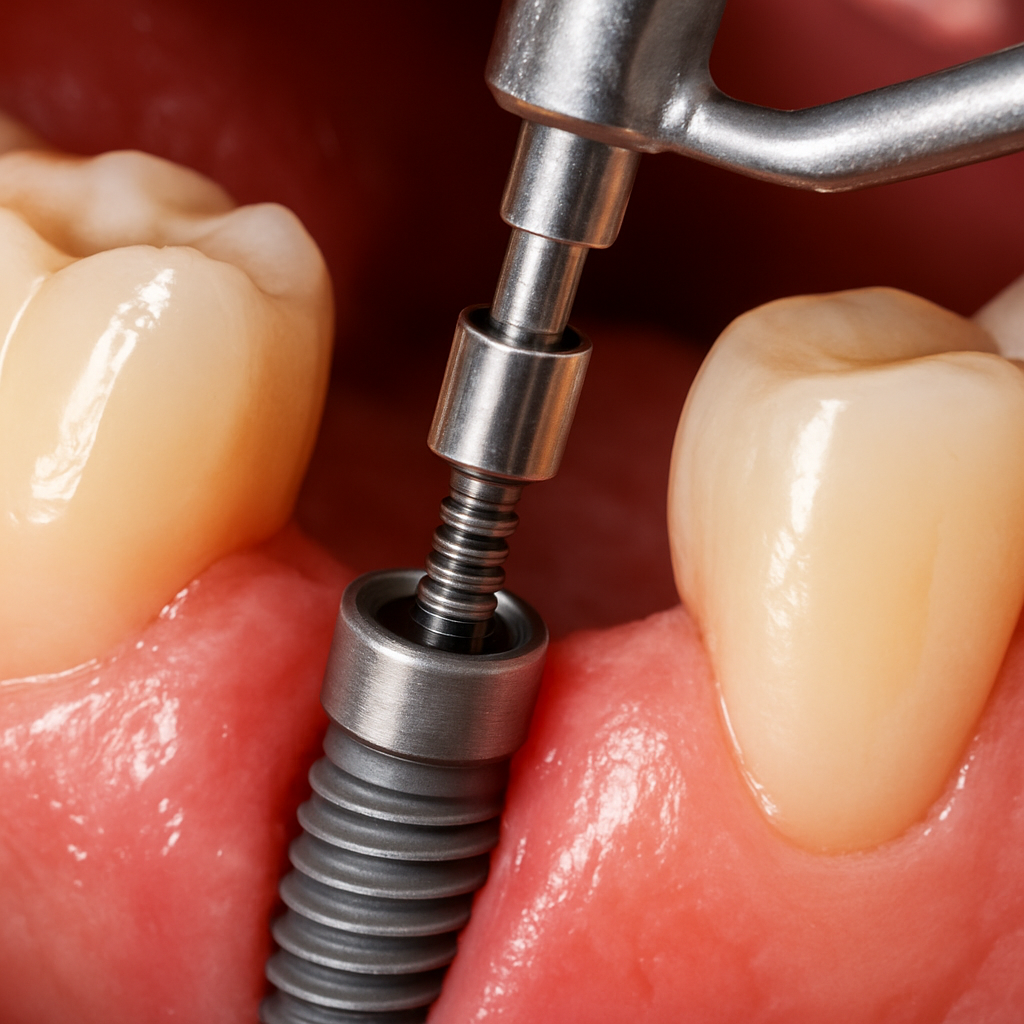
An abutment is the small connector that attaches a dental implant (the metal post in the jaw) to the crown, bridge, or denture above the gumline. Abutments transfer biting forces from the prosthetic tooth to the implant and help shape the gum for a natural look. There are two main connection styles: internal connections (the screw sits inside the implant body) and external connections (the abutment fits over an external post). The connection type affects stability, how easily parts can be replaced, and esthetic outcome—especially for front teeth. If you’re comparing options, searches for abutments for dental implants in Albuquerque will show how connection type and design matter for long-term function and appearance.
Types Of Abutments For Dental Implants
Prefabricated (stock) vs Custom abutments
Stock abutments come ready-made in standard sizes. They are less expensive and work well when implant position is ideal. Custom abutments are designed per patient with CAD/CAM and offer better fit, improved gingival shaping, and superior esthetics—useful for visible front teeth or complex cases. In short:
- Stock: lower cost, quicker, may need adjustment.
- Custom: higher cost, tailored fit, better esthetic control.
Materials: Titanium, Zirconia, and Hybrid
Titanium is strong, durable, and the standard choice for most posterior teeth. Zirconia is tooth-colored and preferred for front teeth where metal shine through the gum is a concern. Hybrid abutments pair a titanium base with a ceramic collar—combining strength and esthetics. For patients worried about gum darkening or allergies, looking into abutments for dental implants Albuquerque providers who offer zirconia or hybrid options can be helpful.
Straight, Angled, And Multi-unit Abutments
Straight abutments work when the implant is well aligned. Angled abutments correct implant tilt to allow a proper crown position without placing the implant in awkward bone. Multi-unit abutments are used for full-arch restorations (like All-on-4) to correct angulation and connect multiple prosthetic teeth to implants. If you need a full-arch plan, ask about multi-unit systems when searching for abutments for dental implants in Albuquerque.
How Abutments For Dental Implants Are Placed
Placement follows several steps over weeks to months. Typical timeline:
- Implant placement and healing (osseointegration usually 3–6 months).
- Impression or digital scan to capture implant position.
- Trial fit of the abutment and provisional restoration if needed.
- Final attachment of the abutment and permanent crown or prosthesis.
Role Of Digital Tools
CBCT imaging, intraoral scanners, and CAD/CAM milling improve abutment fit and predictability. Same-day workflows (CEREC) can sometimes deliver a crown or temporary on the day of abutment placement. Digital planning reduces surprises and helps produce precisely shaped abutments—search for clinics offering digital workflows when considering abutments for dental implants in Albuquerque.
How To Care For Abutments For Dental Implants
Good home care keeps the implant and abutment healthy. Daily routines should include:
- Brushing twice daily with a soft or electric toothbrush.
- Flossing under and around the crown using a floss threader or specialized implant floss.
- Interdental brushes sized to the space around the abutment for plaque removal.
- Optional: a water flosser can help reach under bridges or tight areas.
See your dentist every 3–6 months for professional cleanings and monitoring for bone loss or gum inflammation around the implant.
Common Problems With Abutments For Dental Implants & How They’re Fixed
Loose or Broken Screws
Signs include movement, discomfort, or clicking. Temporary fixes may include retightening the screw or placing a provisional restoration. Persistent looseness may require screw replacement or a new abutment. Prompt attention prevents damage to the implant or surrounding bone.
Peri-implantitis & Soft Tissue Recession
Peri-implantitis is infection and bone loss around the implant. Early signs are redness, swelling, bleeding, or pain. Prevention includes excellent oral hygiene and regular checkups. Treatment ranges from cleaning and antibiotics to surgical interventions to control infection and regenerate bone.
Esthetic Concerns
Visible metal, dark gum margins, or poor gum shape are common esthetic issues. Solutions include switching to zirconia abutments, gum grafting to restore tissue volume, or custom-shaped abutments for better emergence profile.
Cost & Insurance Considerations For Abutments For Dental Implants
Costs depend on abutment type (stock vs custom), material (titanium vs zirconia), and additional procedures like bone grafts or tissue grafts. Insurance often covers a portion of implant crowns but may limit coverage for abutments or lab fees. Many practices offer financing or payment plans to spread costs. Ask for an itemized estimate and what parts are lab fees versus clinical fees when evaluating options for abutments for dental implants in Albuquerque.
Choosing The Right Abutment And Dental Team
Ask prospective dentists:
- How many implant restorations do you place per year?
- Do you use digital planning, CBCT, and CAD/CAM workflows?
- Who fabricates your custom abutments and crowns (in-house CEREC or external lab)?
- Can I see before-and-after cases similar to mine?
Credentials to look for include advanced implant training, affiliations with implant societies, and clear communication about follow-up care. Red flags include vague answers about materials, no imaging, or unwillingness to show cases.
Why Patients Choose Precision Dental Care For Implant Restorations
Patients choose Precision Dental Care because Dr. Craig Steichen brings decades of implant training and a technology-forward approach. The practice uses CBCT imaging, intraoral scanning, and CEREC milling to plan and deliver precise implant restorations. That combination improves fit, esthetics, and long-term success for abutments and crowns.
Next Steps / Call To Action
If you’re considering implant therapy, schedule a consult to review implant options and abutment choices. A personalized exam and imaging determine the best abutment solution for your case. Contact Precision Dental Care to discuss abutments for dental implants in Albuquerque and get a tailored plan for a durable, natural-looking restoration.