Dental implants are one of the most reliable methods for replacing missing teeth.
If you’ve lost a tooth, wear dentures, or worry about chewing and speech, you’re likely wondering if implants are a good fit. This article explains what implants are, how they work, the associated risks, the treatment steps, and where to go next, so you can decide if you should pursue implants and how to prepare.
How dental implants work
What an implant is
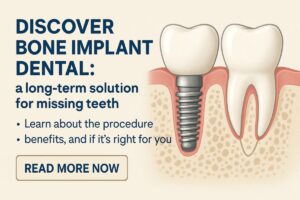
A dental implant is a small titanium post placed into the jawbone to act like a tooth root. An abutment connects the post to a crown or prosthesis. Implants can replace one tooth, several teeth, or support full-arch restorations, such as implant bridges or All-on-4 solutions.
Osseointegration — the science behind implants
Osseointegration is the process where bone grows tightly around the implant, locking it in place. That fusion creates a stable base that acts and feels much like a natural tooth root, providing implants with the strength needed for biting and chewing and reducing bone loss over time.
Do implants work? Success rates and evidence
Yes — implants have strong long-term data. Typical success rates for healthy patients range from approximately 90% to 98% over a 10-year period. Many implants last for decades with proper care. Clinical studies have shown that implants outperform other long-term tooth replacement options in terms of function and bone preservation.
Who is a good candidate for implants
Oral health and bone volume
Good candidates have healthy gums and enough jawbone to secure an implant. If bone density is low due to long-term tooth loss, bone grafts or sinus lifts can rebuild volume, allowing implants to function properly. A dental exam and 3D imaging help confirm whether you have sufficient bone.
Medical and lifestyle factors
Conditions like uncontrolled diabetes, heavy smoking, or certain bone diseases can affect healing and implant success. Many conditions can be managed, so implants still work — doctors will review health history, medications, and habits during planning.
Factors that affect whether implants will work for you
Outcomes depend on surgical skill, implant design and material, precise planning, and your oral hygiene. Choosing an experienced team, following post-operative care, and maintaining regular dental visits increase the likelihood that implants will work and last for years.
Common Myths and Concerns: Do Implants Hurt or Fail?
Surgery typically involves local anesthesia and may cause mild discomfort during the healing process. Infection, poor integration, or improper load can cause failure, but these are uncommon when care and planning are good. Most problems are treatable, and dentists take steps to prevent them.
What to expect during the implant process
Consultation and 3D imaging
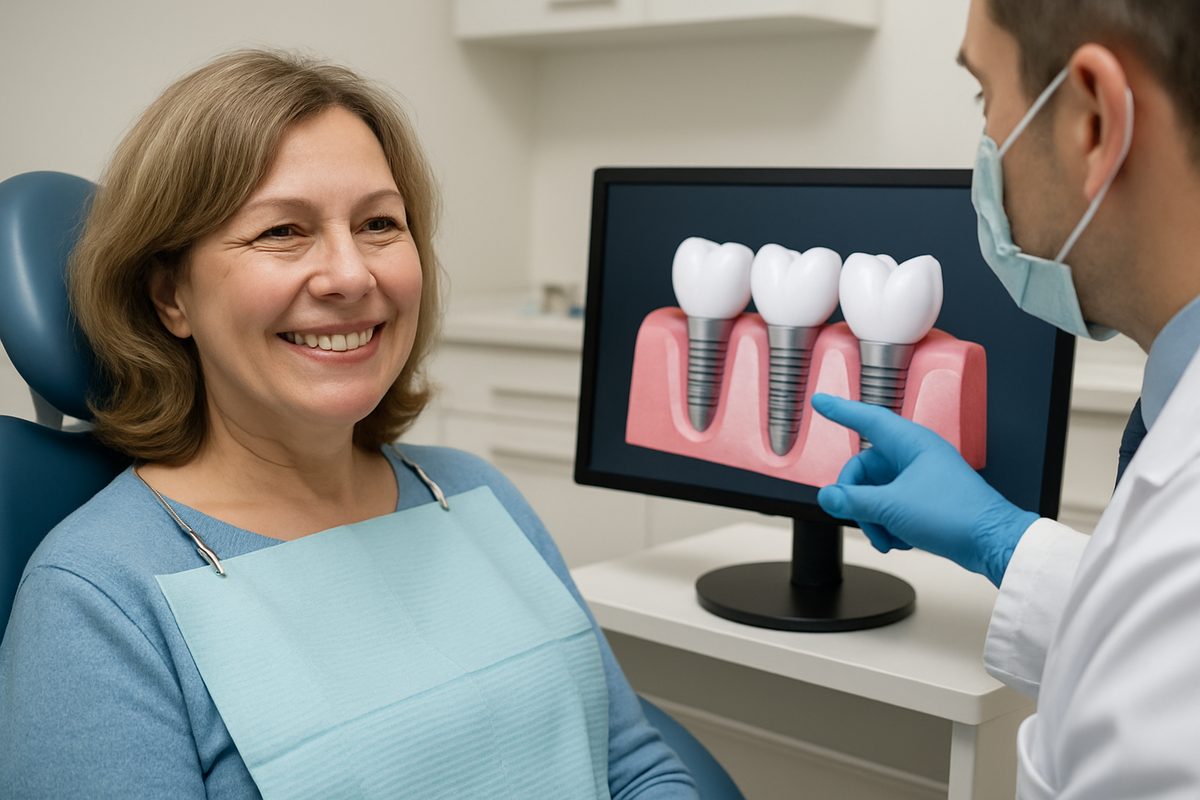
Expect a consultation that includes exams, digital X-rays, and CBCT 3D scans to map the bone and nerves. This planning stage determines the implant size, position, and whether grafting is necessary, ensuring that implants work safely and predictably.
Surgery, healing, and restoration
During surgery, the implant is placed and then allowed to heal while osseointegration occurs, typically over several months. After healing, an abutment is attached, along with either a crown or a prosthesis. Some cases offer immediate or same-day restoration.
How Precision Dental Care and Dr. Steichen improve implant outcomes
If you’re asking, “Do implants in Albuquerque produce lasting results, Precision Dental Care offers decades of experience under Dr. Craig Steichen. His training and long-standing practice enable patients to receive predictable implant care with personalized treatment plans.
Technology that supports better results
Precision Dental Care utilizes CBCT 3D imaging for planning, CEREC same-day restorations, digital X-rays, and other tools that enhance accuracy, comfort, and efficiency. These technologies help implants function more effectively by reducing surprises and enhancing fit.
Next steps if you’re asking “do implants” for your situation
Prepare for a consultation by compiling a list of health questions, including photos of your smile, and budget-related questions. Ask about timelines, grafting, success rates, and financing. To learn if do implants in Albuquerque are right for you, schedule a personalized exam and CBCT scan at Precision Dental Care.