If you’re wondering what are full mouth dental implants, this article explains the treatment in plain language. Full mouth dental implants replace an entire upper or lower set of teeth (or both) with implant-supported teeth. This guide covers what the treatment is, how the process works, who makes a good candidate, costs, benefits, risks, recovery, and next steps so you can decide if this is right for you.
What are full mouth dental implants? A simple definition
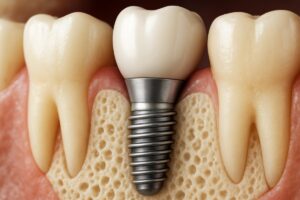
Full mouth dental implants (also called full-arch restorations) replace a full arch of missing or failing teeth using dental implants and a fixed or removable prosthesis. Unlike single implants that replace one tooth, full-arch solutions use several implants to support a bridge or a hybrid denture. Common approaches include implant-supported bridges and All‑on‑4 or All‑on‑6 systems. These options restore function, look, and facial support without needing an implant for every tooth.
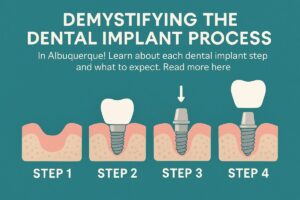
How the full mouth implant process works: step-by-step
Initial exam and digital imaging
The process begins with a clinical exam and detailed imaging. A CBCT 3D scan maps bone, nerves, and sinuses. Your dentist evaluates oral health, checks for infections, and uses digital planning software to plan implant positions. This planning step helps reduce surprises and improves safety and outcomes.
Surgery and immediate care
On surgery day, implants are placed in the jawbone. Depending on your case, extractions or bone grafting may be done at the same time. Many patients receive a temporary set of teeth the same day so they leave with a working smile. Immediate care includes pain control, antibiotics if needed, and clear healing instructions.
Final restoration and follow-up
After several months of healing and osseointegration, the final prosthesis is made and fitted. This may be a fixed bridge or a removable overdenture. Your dentist will make adjustments for bite and comfort, then schedule routine follow-ups to monitor implant health.
Who is a good candidate for full mouth dental implants?
Good candidates are adults with missing or failing teeth who want a permanent solution. Key factors include:
- Enough bone volume or the willingness to have bone grafting
- Good overall health and controlled medical conditions
- Non-smokers or willingness to quit (smoking raises failure risk)
- No uncontrolled diabetes or untreated gum disease
People who are not candidates may consider traditional dentures or partial implant options instead. If you’re asking what are full mouth dental implants in Albuquerque, a consultation with CBCT imaging will show your options.
Benefits of full mouth dental implants
- Restored chewing and ability to eat a wider range of foods
- Improved speech compared with loose dentures
- Facial support that reduces the sunken look caused by missing teeth
- Bone preservation where implants stimulate the jaw
- Durability—implants can last many years with proper care
- Greater confidence and comfort
Cost factors: what influences the price
The total cost varies. Common factors include:
- Number of implants used (All‑on‑4 vs All‑on‑6, etc.)
- Need for bone grafts or extractions
- Type of prosthesis (fixed vs removable, materials used)
- Lab fees, implant brand, and custom components
- Sedation or general anesthesia fees
Many practices offer financing and payment plans. During a consultation you can get a personalized estimate and discuss options to fit your budget.
Recovery, maintenance, and expected lifespan
Short-term recovery usually involves swelling, mild pain, and a soft-food diet for a few days to weeks. Full bone integration takes a few months. Long-term maintenance includes daily brushing and flossing, avoiding very hard foods, and regular dental check-ups. With good care, full-arch implants have high long-term success rates; many patients keep them for decades.
Risks and how to reduce them
Risks include infection, implant failure, nerve or sinus injury, and implant loosening. Careful planning and technology reduce these risks:
- CBCT 3D imaging helps avoid vital structures
- Experienced clinicians lower surgical complications
- Strict infection control and post-op care reduce complications
Why choose Precision Dental Care for full mouth dental implants?
If you’re researching what are full mouth dental implants in Albuquerque, Precision Dental Care offers decades of experience and advanced technology to improve outcomes. Dr. Craig Steichen has practiced in Albuquerque for over 28 years and has extensive implant training. The practice uses CBCT 3D imaging for precise planning, CEREC® for accurate restorations, and T‑Scan® digital bite analysis to fine-tune occlusion. These tools help make implant treatment more predictable, comfortable, and long-lasting.
Next steps: Is a full mouth dental implant right for you?
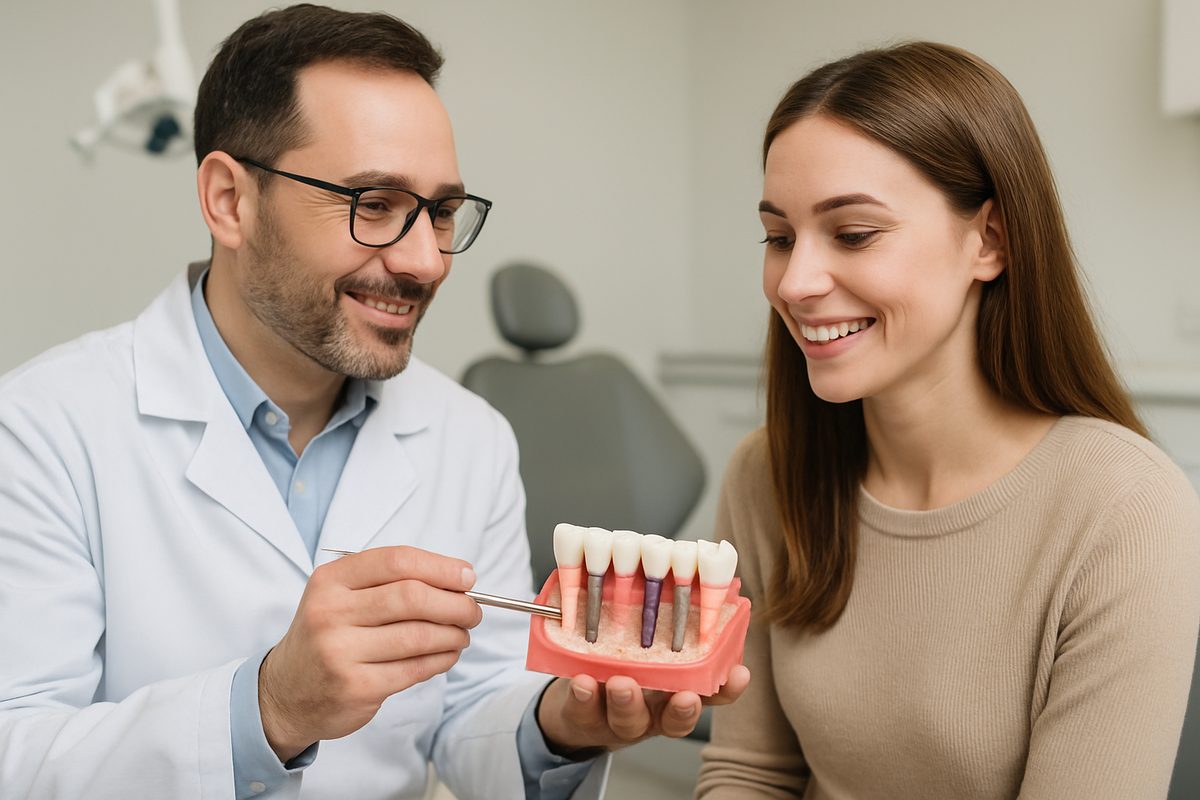
If full-arch implants sound like the right solution, schedule a consult to get a personalized plan. A visit will include a clinical exam, CBCT imaging, cost discussion, and review of before-and-after cases. Ask about financing and options like All‑on‑4 or other full-arch designs. Learning the facts will help you decide whether this long-term tooth replacement is right for your health and lifestyle.